
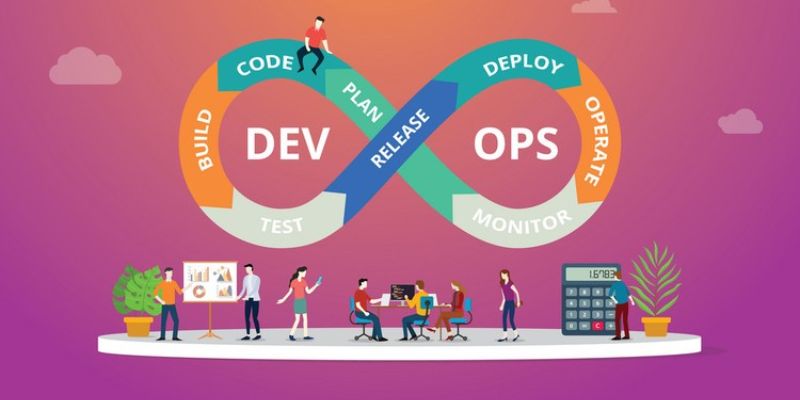
Continuous Integration (CI) and Continuous Delivery (CD) are critical components of the DevOps lifecycle, facilitating the seamless integration and deployment of code. By automating these processes, teams can deliver high-quality software more frequently and reliably. However, to reap the full benefits of CI/CD, it’s essential to follow best practices that ensure efficiency, scalability, and security. For those looking to deepen their understanding, DevOps Training in Coimbatore offers comprehensive insights into these best practices, empowering professionals to implement CI/CD effectively. This blog will explore the best practices for implementing CI/CD in a DevOps environment.
Automated Testing
Automated testing is the backbone of any successful CI/CD pipeline. It ensures that code changes do not introduce new bugs and that the software remains stable. Key practices include:
- Unit Testing: Writing unit tests for individual components to catch issues early.
- Integration Testing: Testing the interactions between components to identify interface defects.
- End-to-End Testing: Simulating real user scenarios to validate the complete system functionality.
- Continuous Testing: Integrating tests into the pipeline to run automatically with every code change.
Automation saves time and improves accuracy and consistency in testing, leading to more reliable software.
Version Control Management
Effective version control is essential for CI/CD. It allows teams to manage codebase changes efficiently and track modifications’ history. Best practices include:
- Branching Strategy: Adopting a branching strategy like GitFlow or Trunk-Based Development to manage feature development and releases.
- Pull Requests: Using pull requests to review and discuss code changes before merging them into the main branch.
- Commit Guidelines: Establishing clear commit message guidelines to maintain a readable and traceable history.
By maintaining a clean and organized version control system, teams can reduce conflicts and streamline the integration process. Effective version control is crucial for collaboration, allowing multiple developers to work on the same project without overwriting each other’s changes. Additionally, integrating DevOps Training in Hyderabad into your team’s skill set can further enhance their ability to manage code repositories, automate workflows, and ensure continuous integration and delivery, ultimately leading to more efficient and reliable software development.
Infrastructure as Code (IaC)
Infrastructure as Code (IaC) manages and provides computing infrastructure through machine-readable configuration files. This approach brings several benefits to CI/CD:
- Consistency: Ensures that the development, testing, and production environments are identical.
- Reproducibility: Facilitates easy replication of environments for testing and troubleshooting.
- Automation: Enables automated infrastructure deployment, reducing manual errors and saving time.
Terraform, Ansible, and AWS CloudFormation are popular for implementing IaC in CI/CD pipelines.
Continuous Monitoring
Continuous monitoring involves tracking the performance and health of applications and infrastructure in real-time. This practice helps in identifying issues early and ensures the system operates smoothly. Key aspects include:
- Log Management: Collecting and analyzing logs to detect anomalies and troubleshoot issues.
- Metrics Monitoring: Using metrics to monitor system performance, such as response times, CPU usage, and memory consumption.
- Alerting: Setting up alerts to notify the team of critical issues that require immediate attention.
By integrating monitoring into the CI/CD pipeline, teams can proactively manage potential problems and maintain high system availability.
Security Integration
Security should be an integral part of the CI/CD pipeline rather than an afterthought. This approach, known as DevSecOps, involves incorporating security practices throughout the development lifecycle. Best practices include:
- Static Code Analysis: Scanning code for vulnerabilities during the development phase.
- Dependency Management: Regularly updating and scanning dependencies for known security issues.
- Container Security: Securing containerized applications by using trusted base images and scanning for vulnerabilities.
By embedding security checks into the pipeline, teams can detect and mitigate risks early, ensuring that software remains secure and compliant.
Implementing best practices for Continuous Integration and Delivery maximizes software development’s efficiency, reliability, and security in a DevOps environment. Automated testing, effective version control, Infrastructure as Code, continuous monitoring, and integrated security are key elements of a robust CI/CD pipeline. By following these practices, organizations can speed up development cycles, deliver high-quality software, and quickly respond to market demands. DevOps Training in Pondicherry equips your team with the latest skills to maintain an effective CI/CD pipeline, enhancing your competitive edge.