
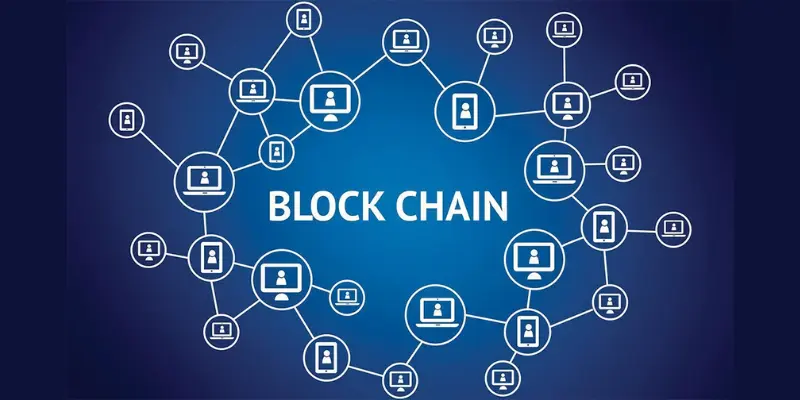
Blockchain technology has gained significant attention for its potential to revolutionize various industries, including supply chain management. By providing transparent, secure, and decentralized data storage and transaction capabilities, blockchain offers promising solutions to long-standing issues in supply chain operations. However, despite its potential benefits, implementing blockchain in supply chains comes with its own challenges that organisations must overcome. In this article, we will explore some of the key challenges associated with implementing blockchain technology in supply chain management. Consider enrolling in a reputable Blockchain Course in Chennai offered by FITA Academy to gain in-depth knowledge of these challenges and effectively overcome them in real-world scenarios.
Integration with Legacy Systems
One of the primary challenges of implementing blockchain in supply chains is integrating this innovative technology with existing legacy systems. Many companies still rely on traditional software and infrastructure for their supply chain operations, making it difficult to incorporate blockchain solutions seamlessly. Ensuring compatibility and interoperability between blockchain networks and legacy systems requires careful planning and execution.
Scalability
Scalability is another significant challenge facing blockchain implementation in supply chain management. Blockchain systems must handle the growing demand without compromising performance or efficiency as the volume of transactions and data increases within a supply chain network. Achieving scalability in blockchain networks often requires upgrades to infrastructure and the development of more efficient consensus mechanisms.
Data Privacy and Security
While blockchain is celebrated for its robust security features, ensuring data privacy and security remains challenging, especially in supply chain ecosystems involving multiple stakeholders. Protecting sensitive information and maintaining confidentiality while still providing transparency and traceability requires implementing sophisticated encryption techniques and access controls within blockchain networks.
Regulatory Compliance
Navigating regulatory requirements and compliance standards presents another hurdle for organizations looking to implement blockchain in supply chain management. Different jurisdictions may have varying regulations concerning data privacy, consumer protection, and financial transactions, making it essential for companies to stay informed and adhere to relevant laws and regulations.
Cost and Resource Constraints
The initial investment required for implementing blockchain technology in supply chains can be substantial, posing challenges for organizations with limited financial resources. Beyond the initial costs, ongoing maintenance, upgrades, and training expenses add to the total cost of ownership. Additionally, deploying blockchain solutions may require significant time and resources to educate stakeholders and onboard participants onto the new platform.
While blockchain holds immense potential for transforming supply chain management by enhancing transparency, traceability, and efficiency, implementing this technology comes with its own set of challenges. Overcoming these challenges requires collaboration, innovation, and a deep understanding of both technological capabilities and business requirements. Additionally, seeking guidance from a reputable Training Institute in Chennai can provide valuable insights and expertise in navigating the complexities of blockchain integration and leveraging its capabilities effectively within supply chain management strategies.